Single tank vs twin tank diving for recreation
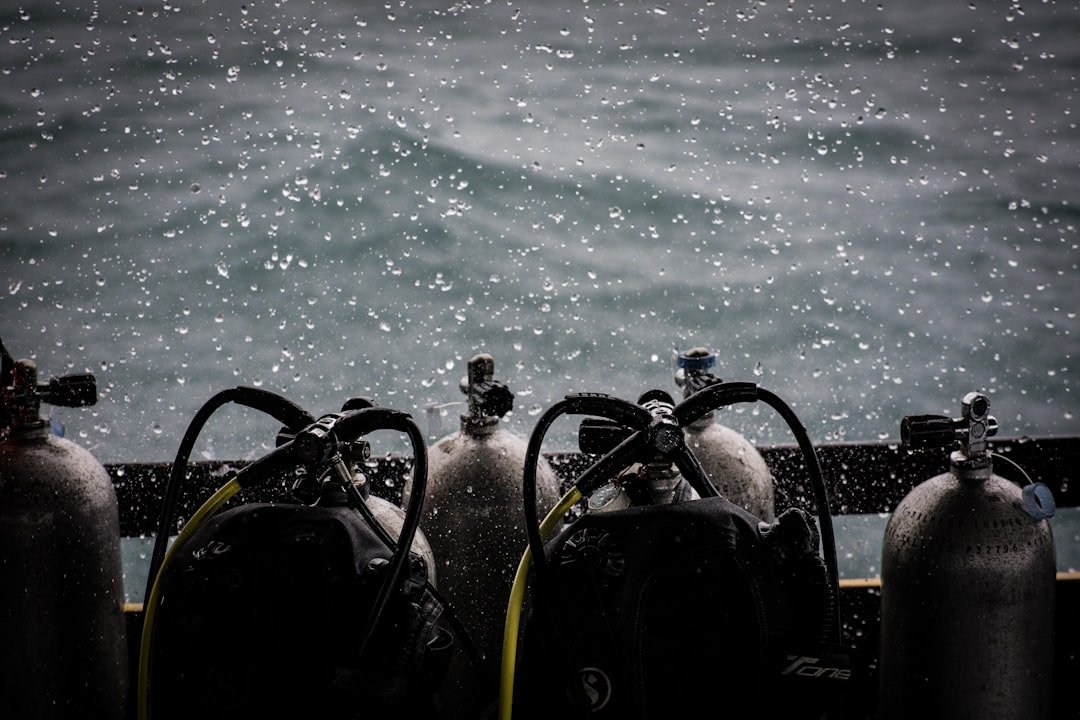
scuba diving cylinders

For most recreational divers, a single cylinder is the better choice because it is simpler, lighter, cheaper, and supported almost everywhere. Twin tanks make sense after proper training when your planned dives genuinely need more usable gas, redundancy, or a balanced technical configuration.
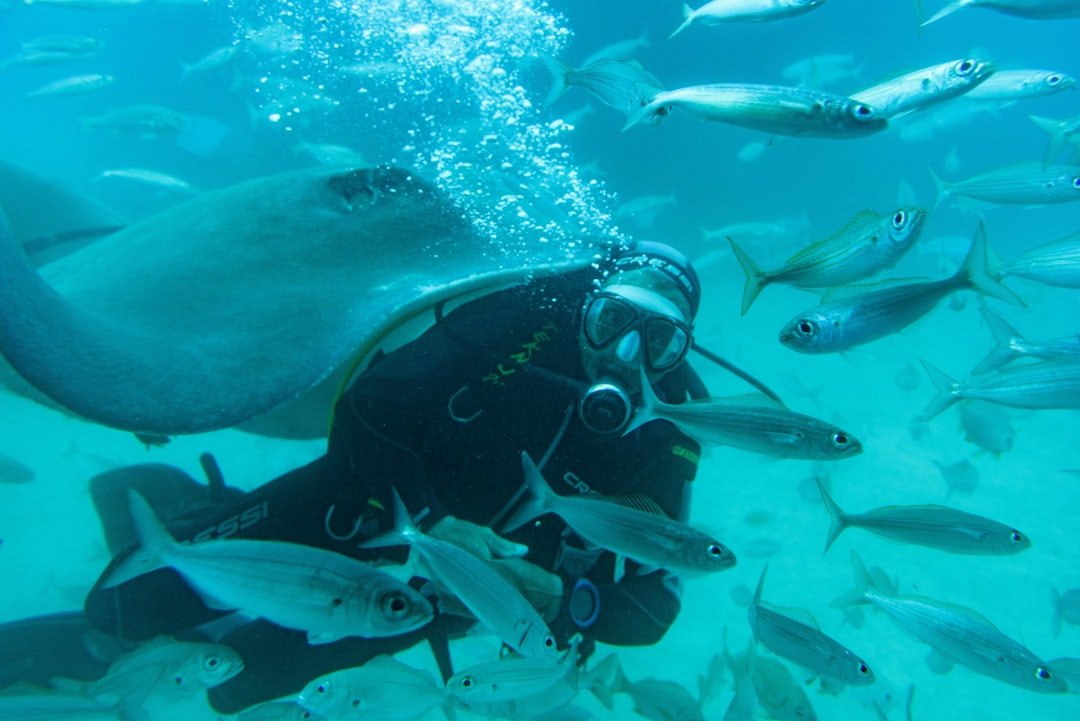
How to improve air consumption while diving

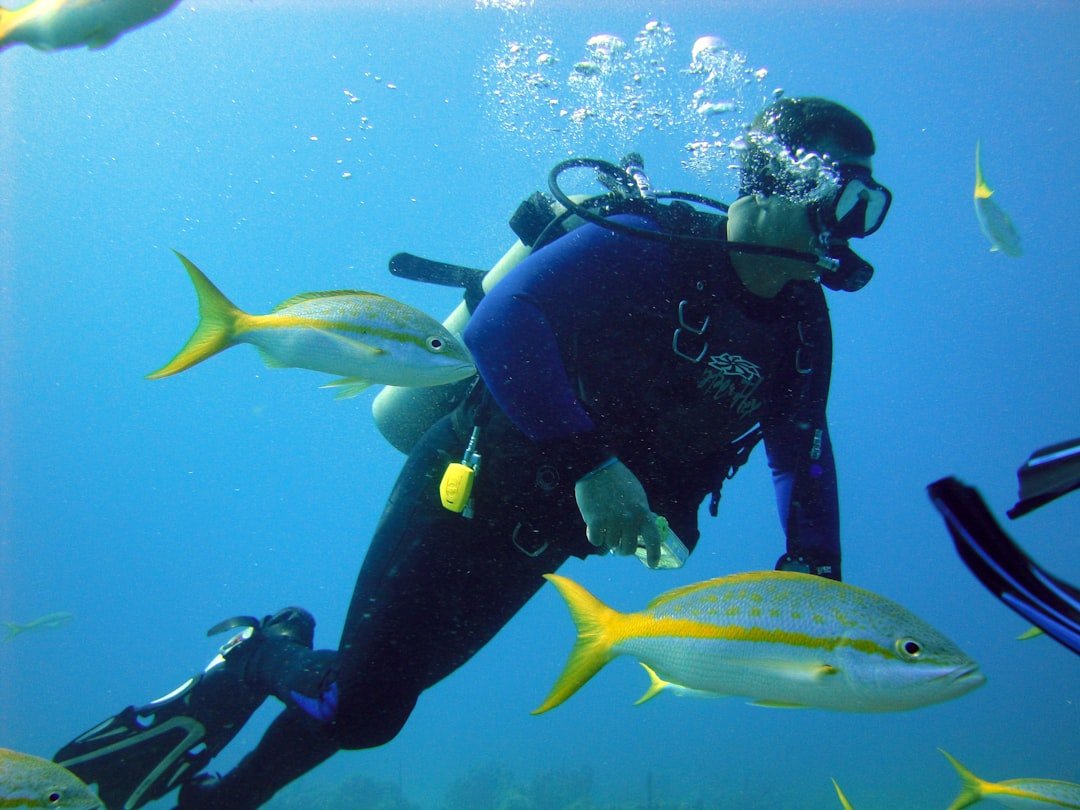
scuba diver underwater

To improve air consumption while diving, reduce unnecessary effort, maintain stable buoyancy, and use calm continuous breathing rather than forcing long breaths. Beginners usually see the biggest gains through trim practice, correct weighting, and relaxed dive pacing with a certified instructor.

Best dive reel for wreck diving: buying guide

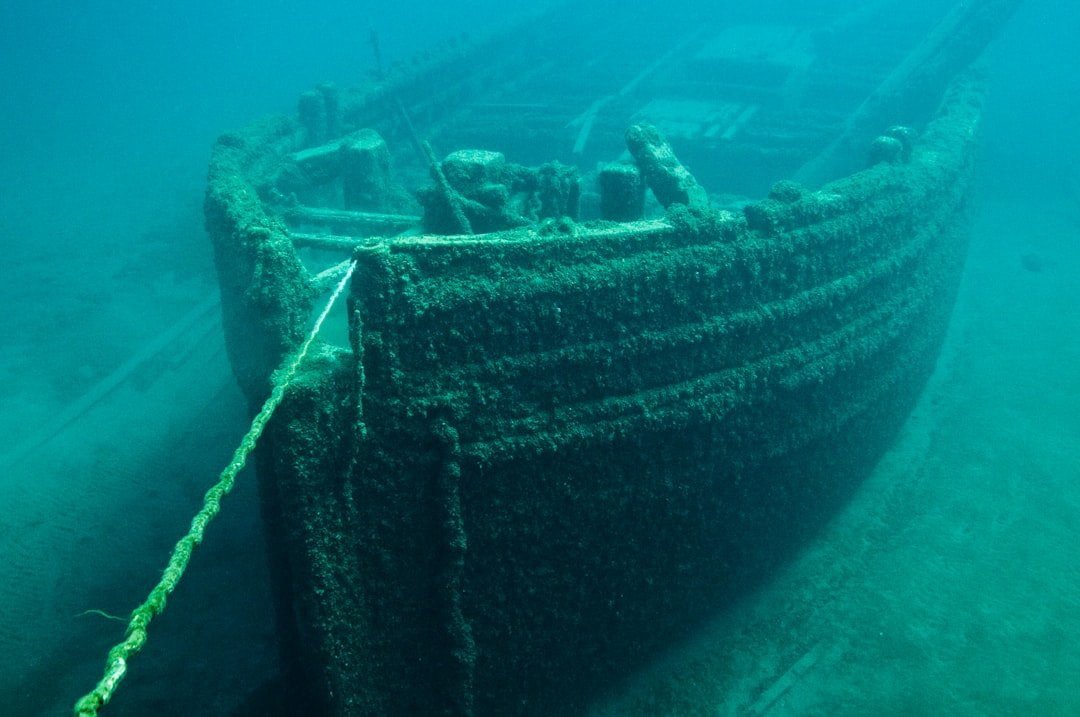
underwater shipwreck exploration

The best dive reel for wreck diving is a purpose-built primary reel with enough line, a secure handle, and a locking method you can operate under stress. For penetration diving, trained divers should prioritize simple hardware, durable line, and a reel size that matches the planned route rather than buying the biggest model available.

How to remove salt from scuba gear after every dive

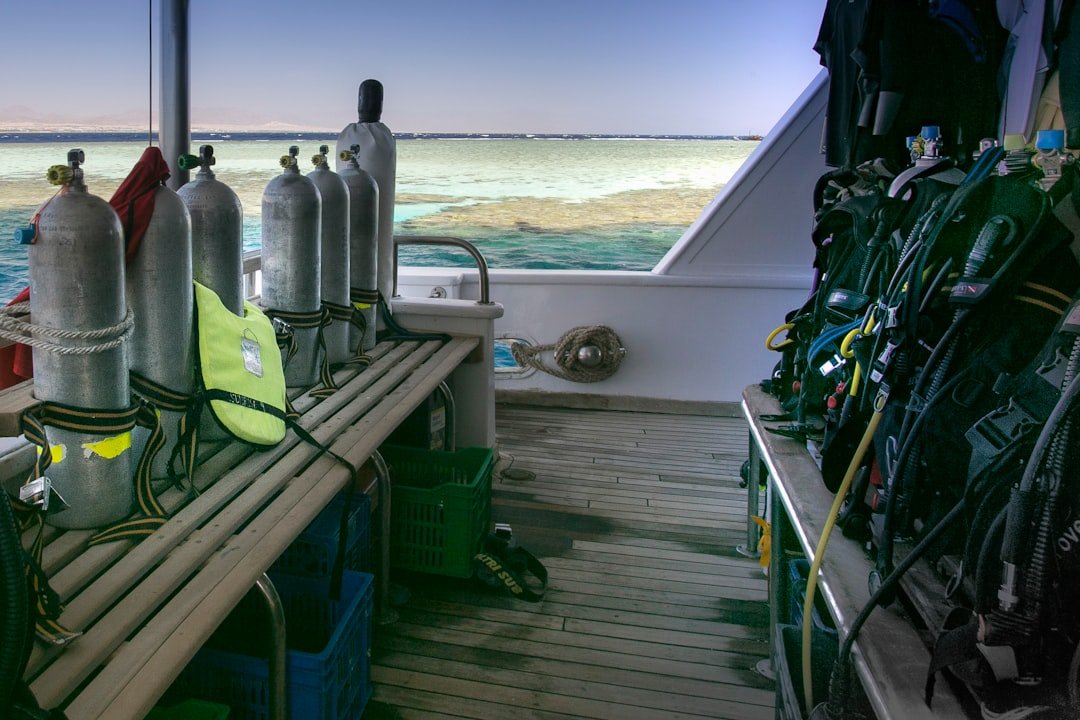
scuba diving equipment rinsing water

Remove salt from scuba gear by rinsing it with fresh water as soon as practical, soaking stiff or heavily salted parts, and drying everything out of direct sun. Keep the inside of the regulator dry, follow manufacturer instructions for electronics, and never store gear while damp or salty.

DIN vs Yoke Regulator Valve for Travel

For most recreational divers who travel and rent cylinders, a yoke regulator is the safer default because it fits the widest range of rental valve setups. Choose DIN when you mainly dive with DIN cylinders, travel in regions where they are standard, or prioritize a smaller threaded connection and can confirm local compatibility.